


Ever noticed how everything starts to sound alike, no matter where you are online? It could be a blog on a website, a LinkedIn post, a newsletter, or a reel being read out loud by an influencer. Different topics. Different people. Different formats. Yet the language, tone, and structure keep repeating.
This became easier to notice once writing with AI was available to everyone. AI gave people a voice. Suddenly, it was easier to put your thoughts into words, share your work, and say what you wanted without overthinking it. That opened the door for a lot more people to publish.
The side effects showed up slowly. As more people used the same tools in similar ways, those voices began to blur together. Opinions were still different, but the writing started to sound familiar across places that had nothing to do with each other.
When you actually start reading, the pattern appears almost right away. You open a piece, and within a few lines, the signals are already there. The opening mentions “the current landscape.” A paragraph later, it is “in today’s fast-changing world.” Somewhere in the middle, you are told it is “important to note” or that something “plays a crucial role.”
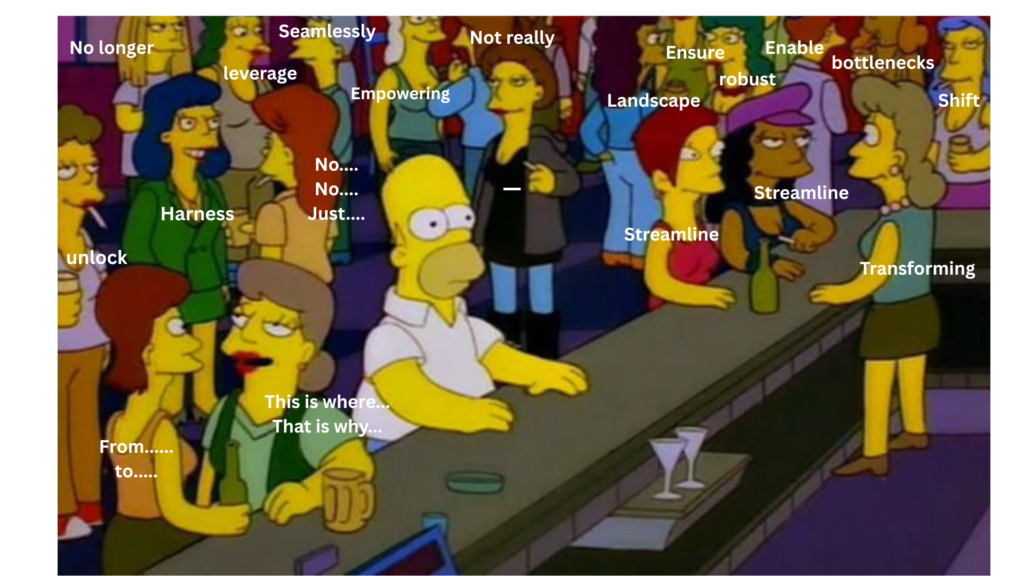
At that point, the next paragraph already feels predictable. Somewhere in your head, it feels like you have heard this before, even if you cannot remember where. This article looks at how unedited AI writing became common and why readers are quietly losing interest.
After AI, Everyone Can Write. That Isn’t the Problem.
AI made writing easy to start. If someone has an idea, they can turn it into text almost right away. You see this in everyday work. A product update that once sat unfinished now gets written and sent. An internal note goes out instead of being postponed. An opinion gets shared instead of living in a draft. Writing happens faster because it requires less effort.
That part works. More people can explain what they are doing, what they are thinking, and why it matters. Communication goes up, and that is useful. Where things start to feel off is in the words themselves.

Pause for a second and think about how often the same terms show up across blogs, LinkedIn posts, emails, and even video scripts. Different topics, different people, yet the language starts to feel familiar.
Here are some of the words that keep popping up:
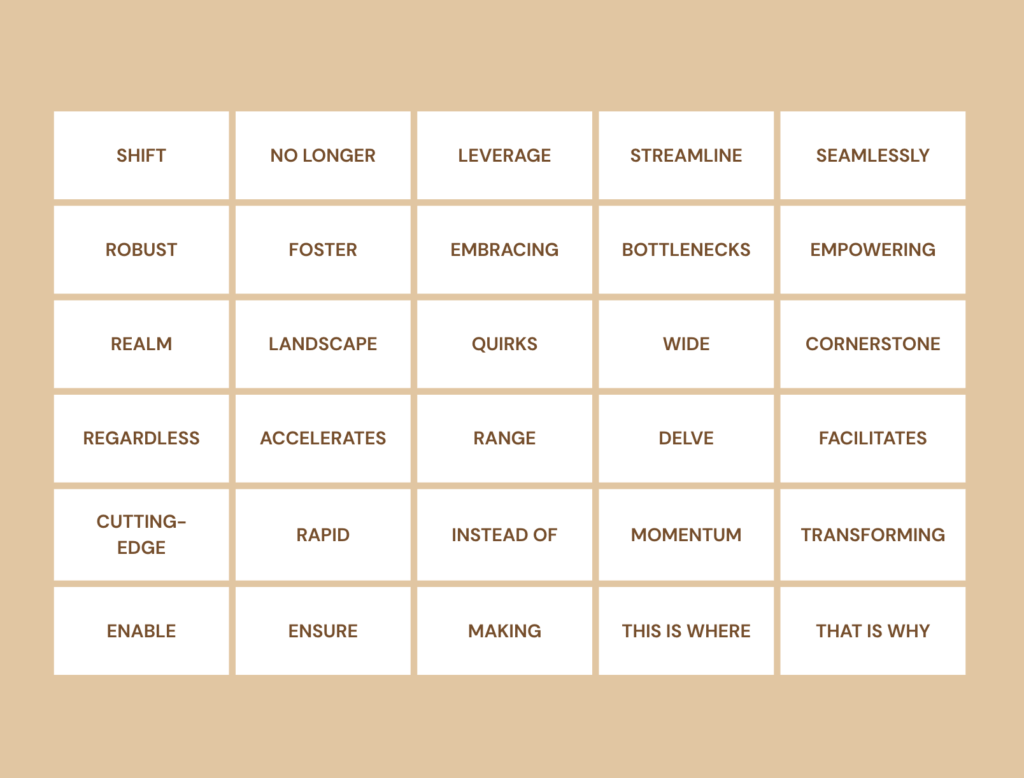
None of these is a bad word. The problem is how often they get used as filler. They sound useful, but they rarely say anything concrete.
After a while, this kind of language loses impact. When you keep seeing the same words everywhere, they stop meaning much. The writing looks polished, but it feels thin.
That is how content ends up sounding finished while leaving nothing behind. The sentences flow, but they avoid being specific. And that is why so much AI-written content is easy to skim and even easier to forget.
Where It Starts Going Wrong
The problem isn’t that AI writes the first draft. It’s what people do next. AI almost never nails it on the first try. The first response usually sounds okay, but that’s about it. The wording is safe. The flow feels familiar. It reads like something a bot would say.
That first output isn’t meant to go out into the world. It’s a starting point. It needs a bit of back and forth, some trimming, and a quick check to make sure the details are solid.
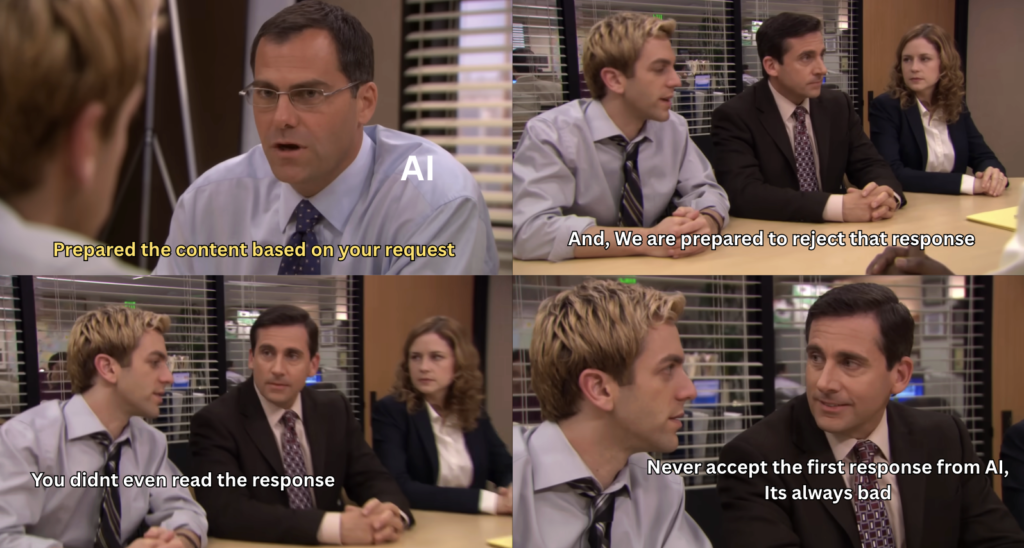
Most people skip that step. They copy, paste, and hit publish. That’s when good ideas lose their punch. You might have a strong point or a clear opinion, but if it sounds like a bot wrote it, most readers won’t stick around. Everything blends together, and nothing really lands.
Spending a little more time editing fixes this. It helps the writing sound like it came from a real person, with a point of view worth paying attention to.
How Readers Experience This
Readers spot patterns faster than writers expect. They may not know how to explain it, but they feel it right away. Once that feeling shows up, their attention starts to slip, even if the idea itself is good.
That matters because attention is already low. Human attention span has dropped by around 33% over the past decade. Readers do not give content much time to prove itself. The reaction is quiet. They skim for a moment, close the tab, and open something else. There is no frustration and no second thought. That is just how reading works now.
Most people using AI for everything do not notice this happening. Readers are not thinking about tools or writing habits. They are not breaking down what went wrong. It simply feels like they have seen this before, written by the “same person” they keep running into everywhere.

The Language Problem
A lot of what makes writing feel weak today comes down to language habits. Not big mistakes, but small, repeated choices that slowly drain clarity and originality. The words sound fine on their own, yet over time, they make everything blur together and feel harder to care about.
Here are some of the most common ones:
- Overused, safe words
- They sound professional, but don’t add much meaning.
- When used everywhere, they make different pieces of writing feel the same.
- Abstract language over concrete details
- Vague phrases avoid specifics like numbers, examples, or how something works.
- This makes writing easy to agree with but hard to act on.
- Meaning gets diluted
- Abstract sentences stacked together sound fine, but say very little.
- Readers can’t question or apply ideas that aren’t clearly stated.
- Predictable transitions and endings
- Familiar transitions move the text without moving the idea forward.
- Repetitive conclusions signal early that nothing new is coming.
Structure Fatigue
Structure fatigue shows up when format starts running the show. You can feel it early. Openings like “At its core…” or “As a result…” tell you where the piece is headed before giving you a reason to care. Titles fall into the same patterns, too. “From … to …” shows up everywhere. So does “Not only … but also …” and “While … remains …”. After a while, your brain fills in the rest on its own.
Inside the writing, the rhythm keeps repeating. Sentences follow familiar shapes. “No … no … just …” shows up again and again. Ideas get sorted into sections too quickly. Bullet points replace explanation. Endings arrive softly and close the loop without pushing anything forward. (This is one example of structure fatigue, AI mostly ends a paragraph by saying “Without”)
Everything looks neat. Everything feels planned. Yet nothing really moves. (This is another example)
Structure itself isn’t the problem. When the language is sharp, readers barely notice the format. Clear claims pull attention forward. Specific verbs keep things alive. A real point of view can carry even the most familiar layout.
Things fall apart when structure tries to do the thinking. Once readers can guess the shape of the argument too early, curiosity drops. They stop waiting for insight and start looking for the end. Not because the topic is boring, but because nothing signals that something unexpected is coming.

This Isn’t Just a Writing Issue
This isn’t only about writing. It’s about how people communicate now. AI is part of everyday work. People use it to think through ideas, explain decisions, summarize tasks, and move faster. Messages get written quickly and sound clean.
At first, that feels helpful. Over time, though, the patterns AI brings start shaping how ideas come across. Language gets smooth, and the details fade. Intent becomes harder to read. Conversations keep moving, but real clarity often falls behind.
You start to see the impact on how information gets used. When language skips specifics, messages become harder to act on. Trade-offs stay hidden. Responsibility feels unclear. People agree on the surface, but hesitate when it’s time to decide. Things move, but not in a clear direction.
Writers feel this more because their work is out in the open. They use AI too, just differently. The goal isn’t to keep up or blend in. It’s to stand apart. Writers who do this well treat AI as a rough draft, not a voice.
They slow down, question the wording, and shape it until it sounds intentional. That extra step is what keeps their work from sounding like everyone else’s.
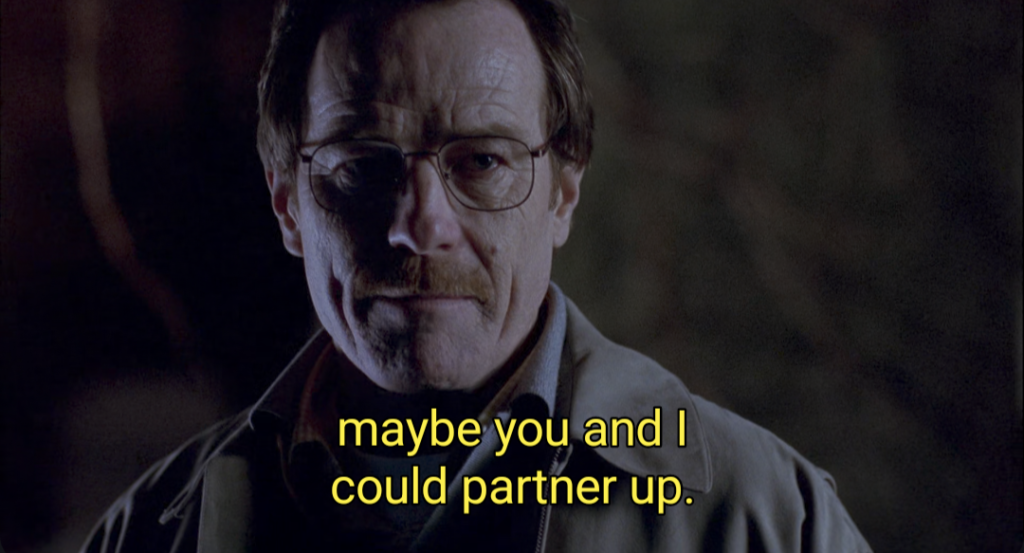
Responsibility Still Belongs to the Human
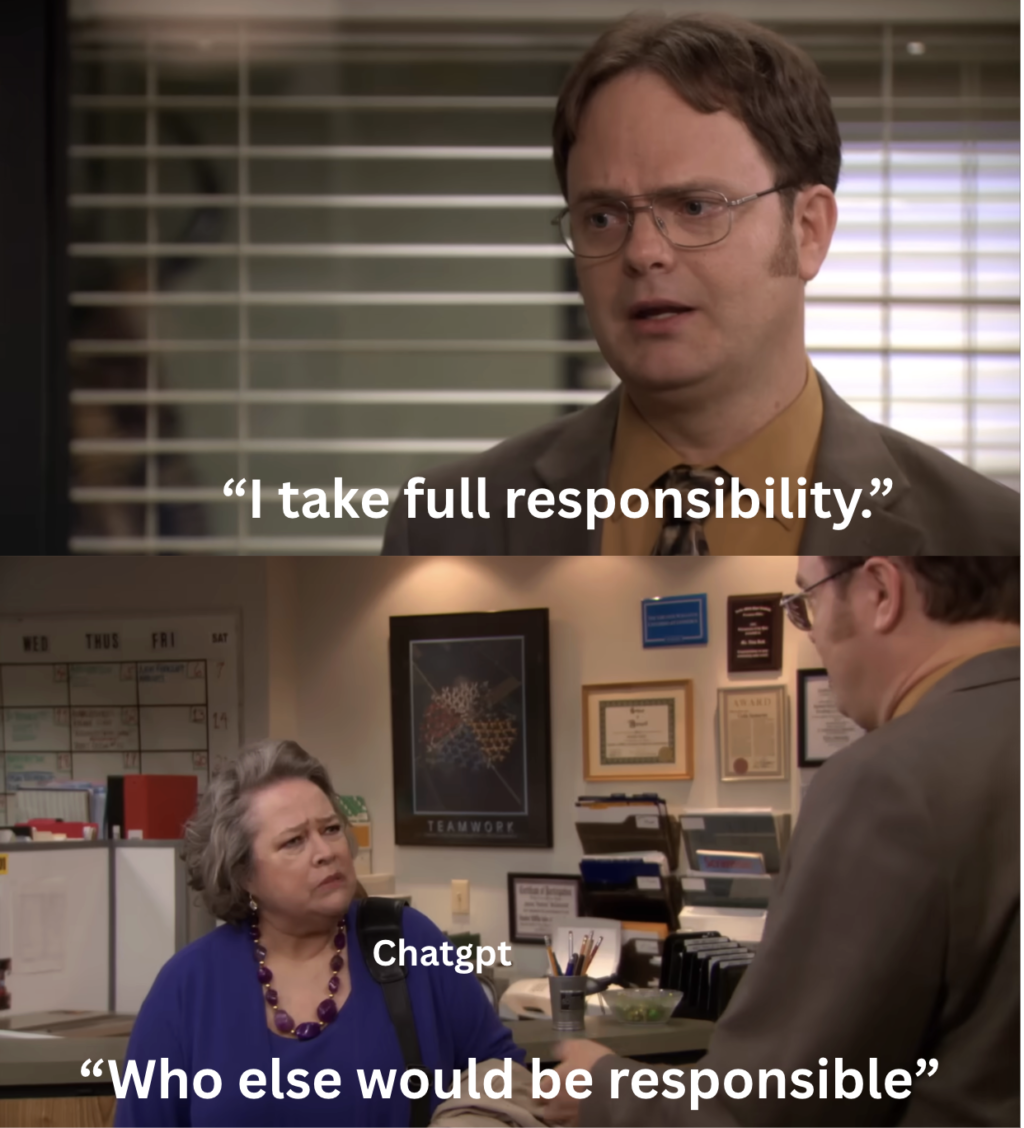
AI can put words on the page, but it doesn’t decide what’s worth saying. It can help with phrasing and structure, but it doesn’t carry intent or consequences. That part still sits with the person choosing to share the message.
And that choice matters more than it seems. Publishing isn’t just clicking a button and moving on. It’s deciding what the words represent and being okay with how they land. When writing starts to feel automatic, responsibility doesn’t disappear. It just gets easier to overlook.
As AI becomes part of everyday work, what stands out starts to change. Speed and volume stop being impressive. What people notice is intention. Writing that feels considered, shaped, and owned still cuts through. The people who slow down, edit carefully, and stand behind their words don’t blend into the noise.
AI can help generate the text. The meaning still comes from the human behind it.
This article was contributed to the Scribe of AI blog by Aakash R.
At Scribe of AI, we spend day in and day out creating content to push traffic to your AI company’s website and educate your audience on all things AI. This is a space for our writers to have a little creative freedom and show off their personalities. If you would like to see what we do during our 9 to 5, please check out our services.
